
Website Design and Digital Marketing Services, Nairobi Kenya
Get excellent Website Design Services, Search Engine Optimization, Digital Marketing and Branding! We are based in Westlands, Nairobi and you are free to get in touch with a support rep for more information. Meanwhile, you can also have a look at our list of solutions and updates.
At Achi Systems, we specialize in crafting stunning, user-friendly websites tailored to your business needs. Our expert team in Nairobi, Kenya, delivers custom website design, responsive layouts, and e-commerce solutions to boost your brand’s visibility and engagement. From static to dynamic web development, we ensure your site is optimized for performance and search engines.
Elevate your business with our comprehensive digital marketing services! We offer SEO, social media management, pay-per-click advertising, and content creation to drive traffic and conversions. Whether you’re in Nairobi, Thika, or beyond, our data-driven strategies help you reach your target audience and grow your brand online. Contact us today at 0720500058 or visit achisystems.co.ke to start your digital journey!
#WebsiteDesign #DigitalMarketing #SEO #WebDevelopment #Nairobi #AchiSystems #OnlineBranding #Ecommerce #SocialMediaMarketing #BusinessGrowth
Website Design Service in Nairobi
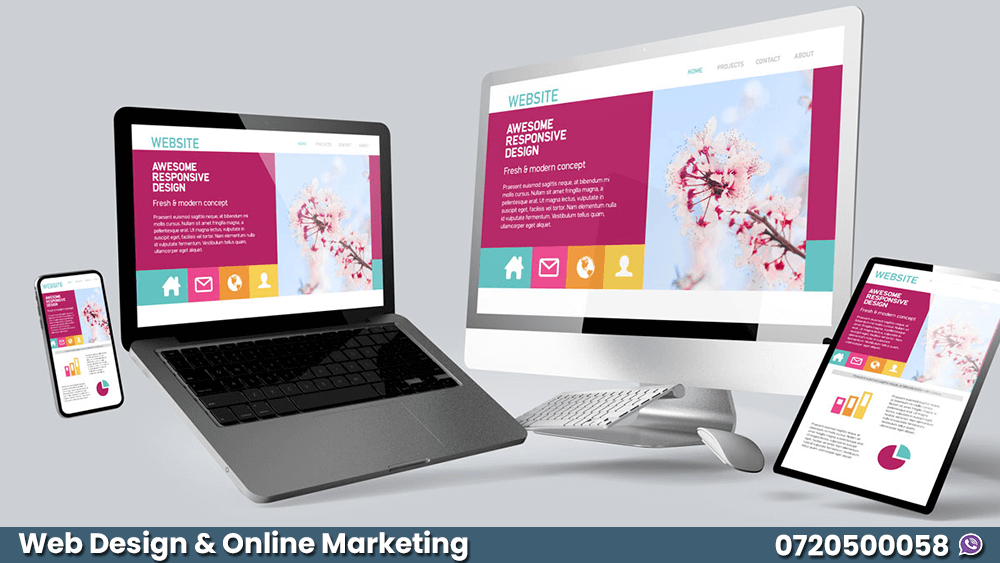
Get premier website design services in Nairobi and throughout Kenya, delivering tailored digital solutions to businesses, institutions, and individuals seeking to enhance their online presence. Based in Nairobi, our expert team specializes in crafting professional, user-friendly websites that align with your brand identity and business objectives. From responsive designs optimized for all devices to seamless integration of advanced functionalities, we ensure each project reflects quality, originality, and innovation. Complemented by our comprehensive digital marketing expertise, Achi Systems empowers clients to maximize their web presence, attract their target audience, and achieve measurable success in the competitive digital landscape of Kenya and beyond.
Search Engine Optimization
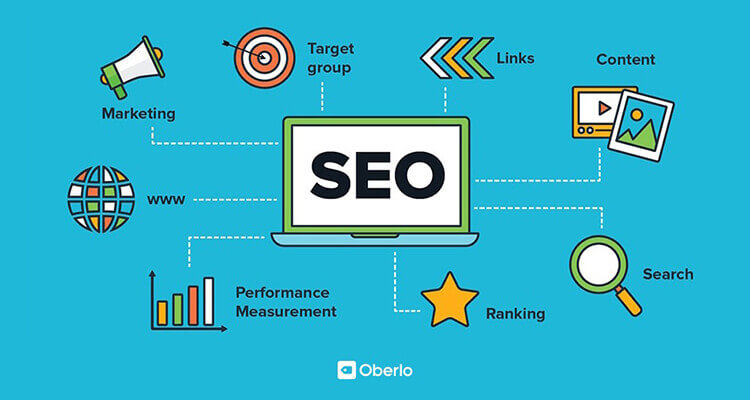
Businesses in Nairobi are increasingly turning to Search Engine Optimization (SEO) to enhance their online visibility and drive organic traffic. A robust Search Engine Optimization Service in Nairobi offers tailored strategies to elevate websites on search engine results pages (SERPs), ensuring they reach their target audience effectively. Provided by companies like Achi Systems, these services combine technical expertise, market insight, and innovative approaches to deliver measurable results for businesses across Kenya’s capital and beyond. Understand the components of the service, benefits, and costs associated with a Search Engine Optimization Service in Nairobi, Kenya.
Online Advertisement Service
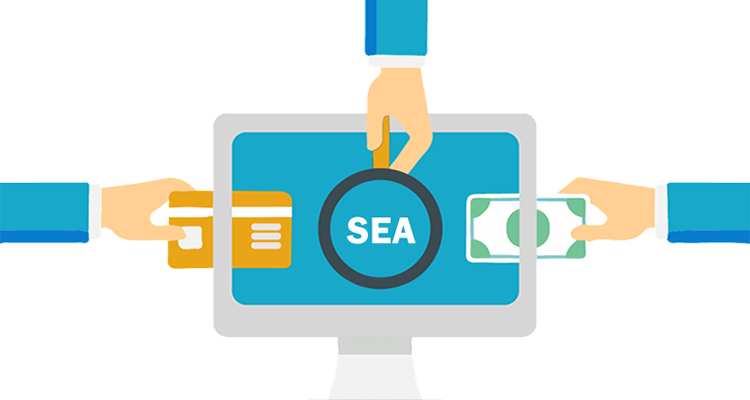
Achi Systems, based in Nairobi, offers expert search engine and social media advertising services designed to propel businesses to new heights in Kenya’s competitive digital landscape. Specializing in platforms like Google Ads, Facebook, Instagram, and LinkedIn, our team crafts targeted campaigns that maximize visibility, engagement, and conversions. By leveraging precise keyword strategies for search engine advertising and harnessing the power of social media’s vast audiences, Achi Systems ensures your brand reaches the right customers at the right time. With a deep understanding of Nairobi’s market dynamics and a commitment to delivering measurable results, we provide comprehensive solutions that blend technical proficiency with creative excellence, empowering your business to thrive online.
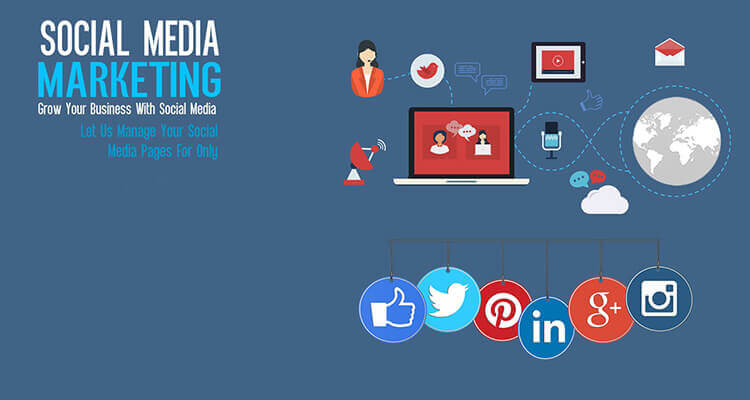
Social Media Marketing
Achi Systems offers premier social media marketing services in Nairobi, designed to elevate businesses’ online presence and engage their target audiences effectively across platforms such as Facebook, Instagram, Twitter, and LinkedIn. Based in Kenya’s vibrant capital, our expert team crafts strategic campaigns that blend compelling content, precise targeting, and data-driven insights to maximize reach and impact. Whether you’re aiming to boost brand awareness, drive website traffic, or increase conversions, Achi Systems tailors its social media marketing solutions to meet your unique goals, leveraging Nairobi’s growing digital landscape to deliver measurable results. With a deep understanding of local trends and global best practices, we empower businesses to connect with customers and thrive in a competitive market.
BLOG, ARTICLES, POSTS AND UPDATES
Our Updates feature articles about the Website Design Industry Updates, E-Commerce, Services we offer and periodic tips and tricks on how to get the most out of the digital marketing process. Bookmark our blog and stay updated. Our writers are busy, around the clock, curating articles to nourish your thirst for knowledge. We hope that you find great use for our updates
Updates